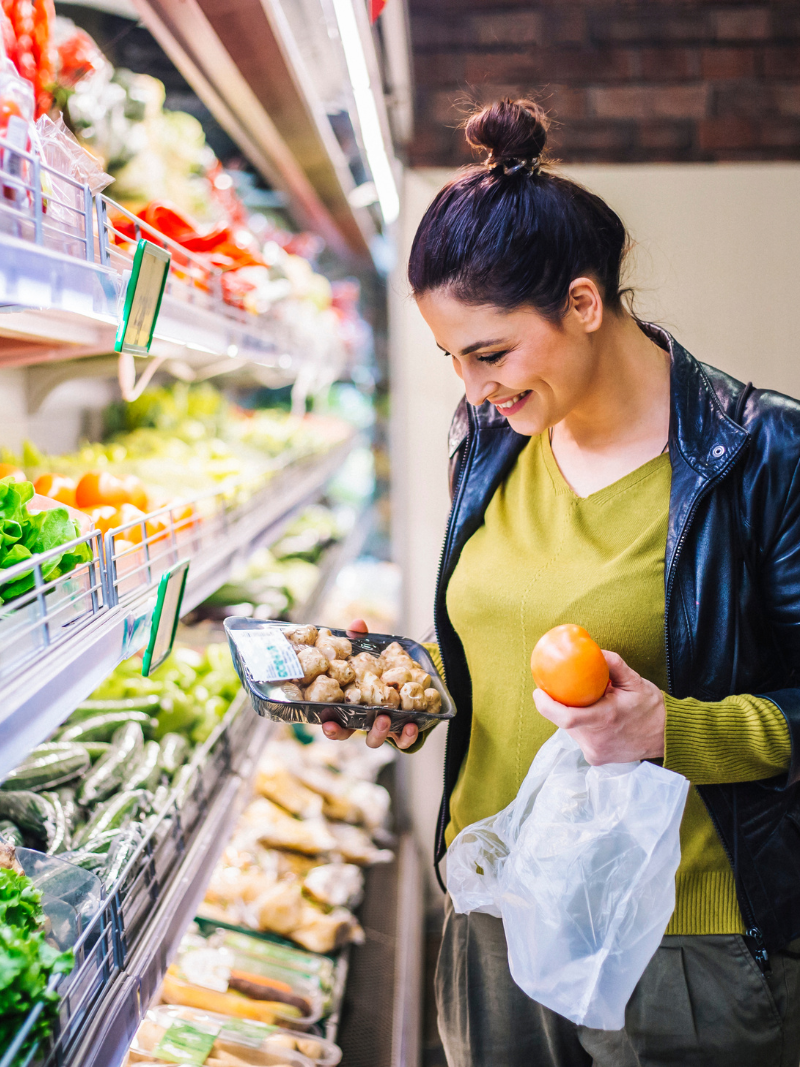
A weekly grocery trip leaves an environmental footprint long before food reaches the checkout line. Farming, processing, refrigeration, packaging, transportation, and food waste all require resources. The impact varies widely between products, which means shoppers do not need to overhaul every meal to make more thoughtful choices. Looking at how food moves from production to the kitchen can reveal practical places to reduce waste.
Food Production Is a Major Part of the Picture
Environmental impact begins at the farm. Growing crops requires land, water, fertilizer, equipment, and energy. Raising animals adds feed production and other resource demands.
Different foods therefore carry different environmental costs. Shoppers interested in reducing their footprint can focus on realistic changes, such as replacing some higher-impact foods with beans, lentils, grains, or seasonal produce. The goal does not have to be eliminating entire food groups.
Refrigeration Keeps Food Safe but Uses Energy
Temperature-controlled foods create another layer of resource use. Frozen products, dairy, meat, seafood, and certain produce may need refrigeration throughout storage and transportation.
A cold storage distribution center, refrigerated truck, supermarket freezer, and home refrigerator can all become parts of that temperature-controlled chain. Maintaining safe temperatures is essential for food quality and safety, but it also requires continuous energy.
At home, keeping refrigerators and freezers in good condition can help avoid unnecessary energy use. Damaged door seals, heavy frost buildup, or incorrect temperature settings can make appliances work harder than necessary.
Packaging Has Benefits and Trade-Offs
Grocery packaging is easy to see, which makes it a common focus of environmental concern. Excess material can create unnecessary waste, particularly when packaging is difficult to reuse or recycle.
Packaging also serves practical purposes. It can protect food from contamination, prevent damage, and extend shelf life. A cucumber wrapped in plastic may look wasteful, for example, but packaging that significantly reduces spoilage creates a different environmental calculation.
Consumers can consider both factors by choosing sensible package sizes and checking local recycling rules rather than assuming every package carrying a recycling symbol will be accepted locally.
Food Waste Starts With the Shopping List
One of the most direct household changes happens before entering the store. Check the refrigerator and pantry, plan several meals, and buy realistic quantities. Older ingredients can be moved where they are visible, while leftovers can be labeled with dates. Freezing food before it spoils can also extend its usable life.
Groceries connect households to a much larger system of farms, processing facilities, warehouses, transportation networks, and stores. Environmental choices therefore extend beyond reusable shopping bags. Check out the infographic below to learn more.