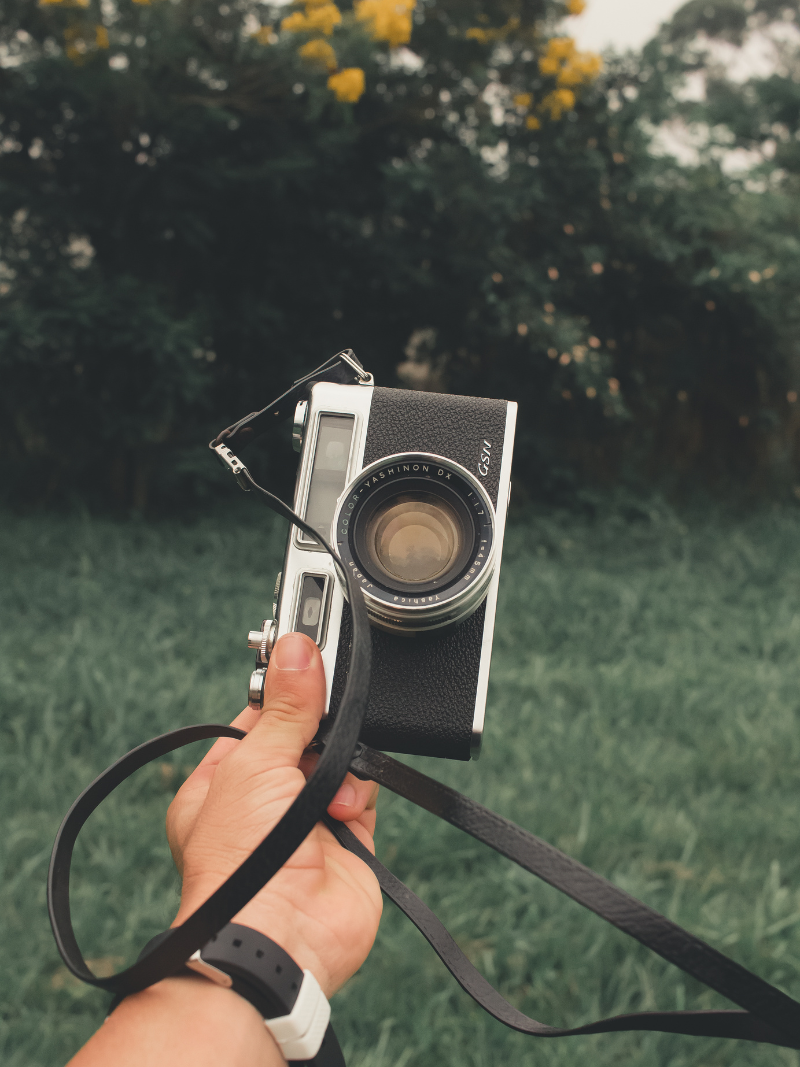
Digital devices dominate much of everyday life, making analog hobbies increasingly appealing for people seeking creativity, relaxation, and hands-on experiences. Activities such as film photography, knitting, pottery, watercolor painting, journaling, and gardening encourage focus while reducing screen time. Before investing in supplies, it helps to approach a new hobby with realistic expectations and a thoughtful budget.
Start With Interest, Not Equipment
Many beginners assume expensive tools lead to better results. In reality, developing skills matters far more than purchasing premium equipment. Choosing a hobby that matches personal interests increases the likelihood of sticking with it over time. Someone who enjoys storytelling may enjoy photography or journaling, while a person who prefers working with their hands may find satisfaction in sewing or woodworking. Starting with basic supplies also leaves room to discover which aspects of the hobby are most enjoyable before making larger purchases.
Set a Comfortable Budget
Every hobby involves some ongoing expenses. Paint, yarn, film, clay, seeds, or replacement tools can gradually increase costs if purchases are not planned carefully.
Creating a monthly hobby budget helps prevent impulse spending while allowing room for gradual upgrades. Many experienced hobbyists recommend buying higher-quality equipment only after consistent practice demonstrates a long-term commitment.
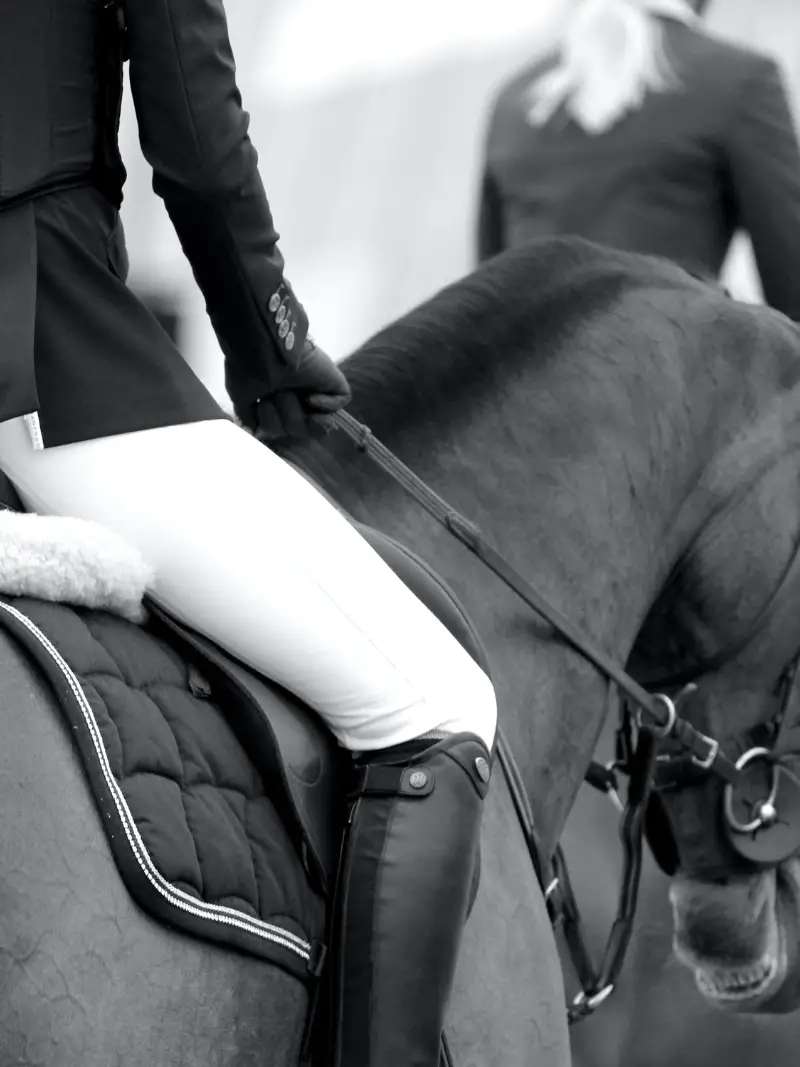
Secondhand options can also reduce costs. Someone interested in film photography, for example, may find reliable beginner equipment through a reputable used camera marketplace instead of purchasing everything new.
Think About Time as an Investment
Money is only one part of starting a hobby. Time plays an equally important role. Some activities require daily attention, while others can fit into busy schedules with weekly sessions. Gardening may involve seasonal maintenance, while knitting or sketching can be picked up whenever free time is available. Choosing a hobby that matches current responsibilities makes it easier to maintain enthusiasm without adding unnecessary stress.
Focus on Learning Instead of Perfection
Many people give up on creative hobbies because they expect immediate results. Every skill develops gradually through repetition and practice. Keeping early projects simple helps build confidence while allowing room to experiment. Mistakes often become valuable learning opportunities rather than signs of failure. Joining local workshops or community groups can also provide encouragement and practical advice from experienced hobbyists.
Analog hobbies offer an opportunity to slow down, create something meaningful, and enjoy the process without constant digital distractions. With careful planning and a focus on personal enjoyment, these activities can become lasting parts of a balanced lifestyle while providing creative fulfillment for years to come. Check out the infographic below to learn more.