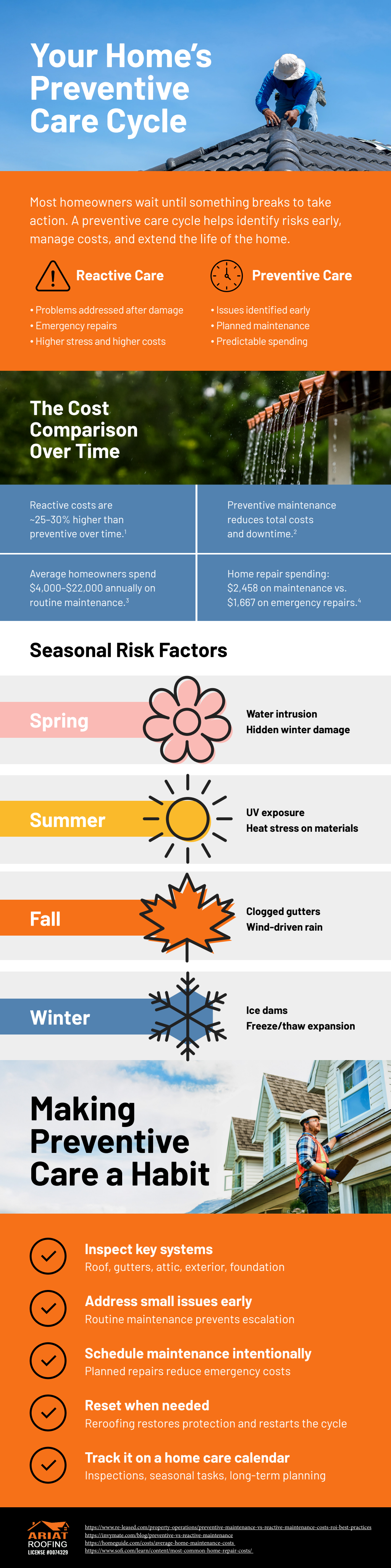
A home doesn’t need constant attention, but it does benefit from regular checkups. Many expensive repairs begin as small issues that are easy to miss during everyday life. A preventive care cycle creates a practical rhythm for inspecting the parts of your home that wear, leak, clog, or deteriorate over time. Instead of waiting for something to fail, you can spot changes early and plan maintenance around the seasons.
Give Each Season a Job
Seasonal changes provide natural reminders for home maintenance. Spring is a useful time to look for damage caused by winter weather. Walk around the exterior and check siding, gutters, windows, and visible roofing for anything that appears loose, cracked, or damaged.
Summer can shift attention to cooling systems, outdoor plumbing, decks, and landscaping near the house. Vegetation touching siding or growing too close to an air-conditioning unit can trap moisture or interfere with airflow.
Fall is preparation season. Clean gutters, check weatherstripping, inspect exterior faucets, and have heating equipment serviced before colder temperatures arrive. During winter, watch for drafts, condensation, plumbing problems, and signs of moisture entering the home.
Know Which Problems Cannot Wait
Preventive maintenance becomes more useful when you know which changes deserve immediate attention. Water is one of the clearest examples. A small ceiling stain, damp area beneath a sink, or recurring puddle near the foundation can signal a problem that becomes more expensive as moisture spreads.
The roof deserves similar attention because minor damage can eventually affect insulation, ceilings, walls, and framing. Missing shingles or signs of water intrusion may warrant an inspection and possible roof repair before another storm creates additional damage.
Electrical warning signs should also move quickly to the top of the list. Frequently tripped breakers, hot outlets, burning odors, or unexplained flickering lights require professional evaluation rather than a wait-and-see approach.
Track Maintenance Instead of Relying on Memory
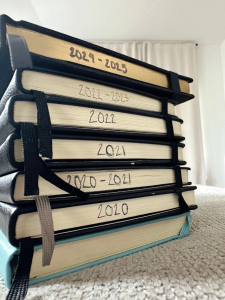
Home care gets easier when there is a record of what has already been done. Keep a simple digital document or notebook with service dates, appliance information, filter changes, warranties, and major repairs.
Photos can be useful too. Taking a picture of a small foundation crack, for example, gives you something to compare several months later. You can see whether it has changed instead of relying on memory.
A preventive care cycle turns home maintenance into a manageable routine rather than a series of surprises. Seasonal inspections, prompt attention to warning signs, and basic recordkeeping can reveal developing problems while there is still time to respond. Look over the infographic below to learn more.