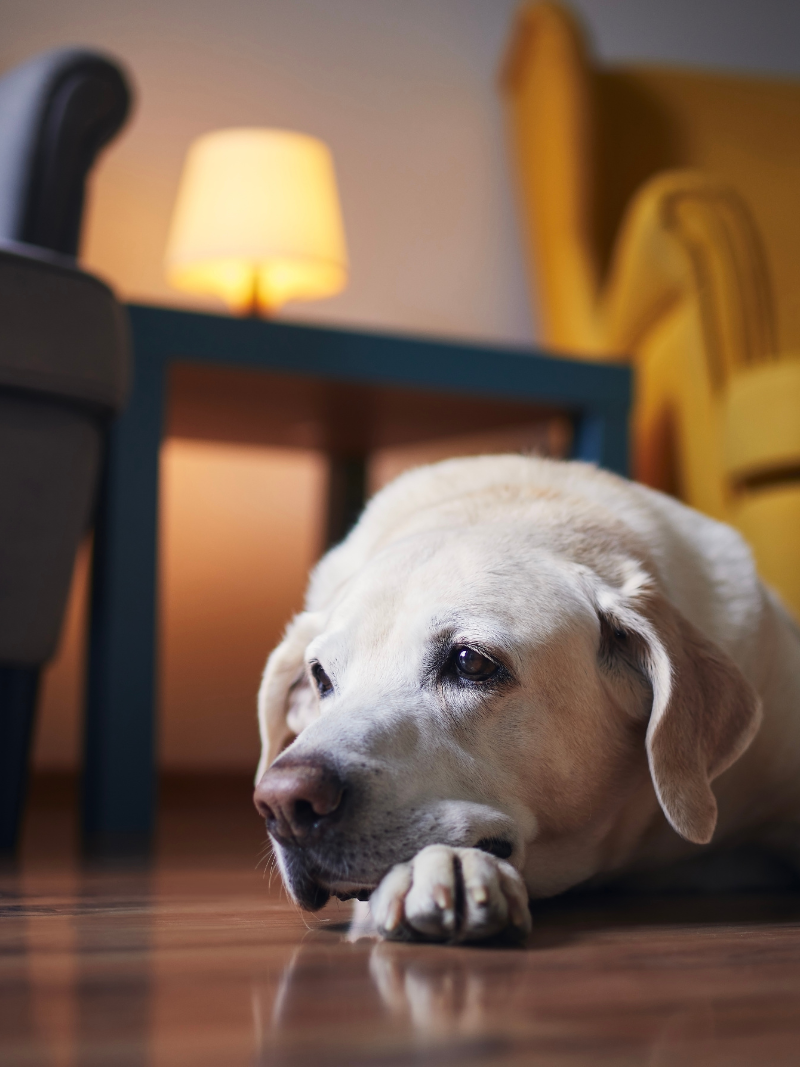
Pets often change gradually as they age. A dog may hesitate before climbing stairs, while a cat may sleep more or become less interested in jumping onto a favorite windowsill. Some changes are normal, but others can signal pain or illness. Paying closer attention to mobility, appetite, behavior, and daily habits can help owners recognize when an older pet needs additional care.
Watch for Small Changes in Daily Behavior
Senior pets cannot explain that something hurts, so changes in routine provide important clues. Increased thirst, weight loss, accidents indoors, difficulty getting comfortable, or reduced interest in food deserve attention.
Behavior matters too. A normally social pet that begins hiding or avoiding touch may be experiencing discomfort. Changes in sleep, confusion, restlessness, or increased vocalization can also warrant a conversation with a veterinarian.
Keeping brief notes can make patterns easier to recognize. Record changes in appetite, bathroom habits, activity, and medications so you have specific information to share during an appointment.
Make Movement Easier
Arthritis and other mobility problems can make ordinary activities harder for aging animals. Small adjustments around the home can reduce unnecessary strain.
Place rugs or non-slip mats on slick floors where a pet frequently walks. Steps or ramps can provide easier access to beds, furniture, or vehicles. Cats may benefit from litter boxes with lower entrances, while dogs with stiffness may need shorter, more frequent walks instead of one long outing.
Exercise still matters, but intensity may need to change. Consistent gentle activity can help preserve muscle and mobility without placing excessive stress on aging joints.
Keep Veterinary Care Consistent
Older animals may develop conditions involving the kidneys, heart, teeth, joints, or other organs without showing obvious symptoms early. Regular veterinary exams allow clinicians to track weight changes, physical condition, and laboratory results over time.
Between office visits, veterinary telemedicine services may be useful for certain follow-up questions or concerns when permitted and appropriate. They do not replace hands-on examinations when a pet needs physical assessment, testing, or emergency treatment.
Dental health deserves attention as well. Painful teeth and gum disease can interfere with eating and affect a pet’s comfort even when the animal continues to approach the food bowl.
Caring for a senior pet is less about treating age itself and more about responding to changes that affect health and comfort. A safer home setup, appropriate activity, regular veterinary care, and careful observation can help owners adjust as their pet’s needs change. Check out the infographic below to learn more.