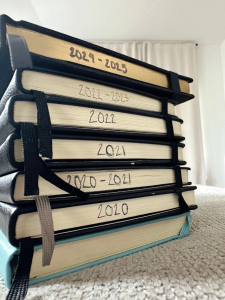
Handwriting may seem old-fashioned in a screen-centered culture, yet research continues to show its cognitive value. Writing by hand slows thinking just enough to support deeper focus. For women balancing careers, families, and personal goals, this simple habit can strengthen attention, memory, and clarity in daily life.
Handwriting and Focused Attention
Typing encourages speed. Words appear with little physical effort, and it becomes easy to transcribe information without fully processing it. Handwriting requires deliberate movement. Each letter demands coordination between the brain and hand. That added effort reduces distraction and supports sustained attention.
Studies have shown that students who take handwritten notes retain concepts more effectively than those who type verbatim transcripts. Writing forces summarization. The brain must filter information and decide what matters. That selection process builds concentration and reduces mental clutter.
For busy adults, jotting notes during meetings or personal planning sessions can create a stronger sense of presence. The act of forming words on paper encourages engagement rather than passive listening.
Memory Formation and Retention
Memory improves when multiple senses are involved. Handwriting activates motor skills, visual processing, and language centers at the same time. This multisensory input strengthens neural connections linked to recall.
Writing grocery lists, gratitude reflections, or goal statements by hand can make those details more memorable. Even short journaling sessions may improve retention of ideas and emotions. Compared to tapping on a phone, pen and paper create a physical record that reinforces memory through repetition and review.
Many women find that using quality notebooks and stationery supplies transforms note-taking into a mindful ritual. The tactile experience of paper and ink adds meaning to everyday tasks.
Deeper Comprehension and Reflection
Comprehension grows when the brain has time to process ideas. Handwriting naturally slows communication. That slower pace encourages reflection and more thoughtful word choice.
Personal journaling often benefits from this effect. Writing about challenges or goals by hand can reveal patterns that might go unnoticed in quick digital entries. The pause between thoughts allows space for insight.
Creative projects also gain depth through handwritten drafts. Whether outlining a presentation or planning a family event, sketching ideas on paper invites exploration. Lines, arrows, and margin notes foster connections that structured digital formats may limit.
Handwriting remains a practical tool for sharpening attention, strengthening memory, and encouraging thoughtful reflection. Integrating it into daily routines can support mental clarity and intentional living in a fast-paced environment. Look over the infographic below for more information.


You’ll Probably Like My Newsletter!
Every issue is written the same way this post was — with a real opinion and something worth your time. I cover beauty, style, self-improvement, and the occasional thing I can’t stop thinking about.
You can always unsubscribe, but most people don’t.