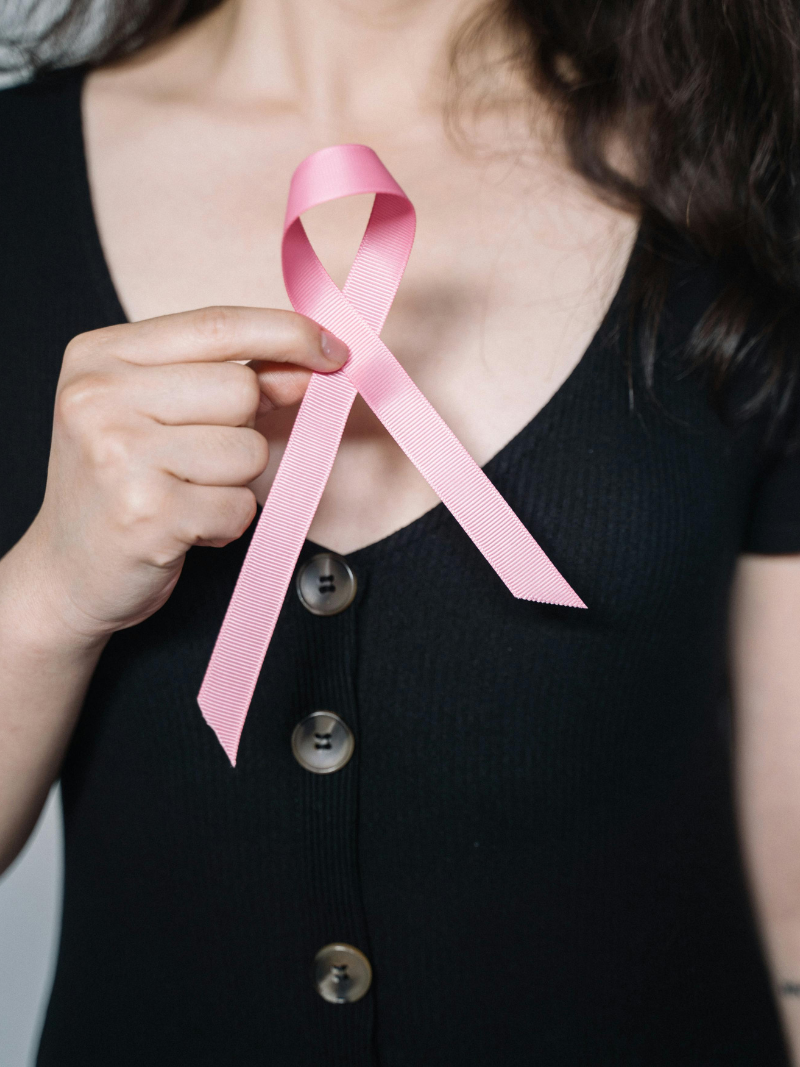
Breast cancer changes life in ways that reach far beyond treatment. Coping strategies become daily tools that help women manage physical symptoms, emotional shifts, and the uncertainty that often accompanies diagnosis. Survivorship is equally complex. A supportive framework grounded in practical habits and community can make this journey more manageable.
Building a Support Network That Feels Steady
No one is meant to handle breast cancer alone. Support networks create a foundation that helps women move through treatment and recovery with confidence. Family and friends often provide transportation, meals, or companionship during appointments. Peer groups offer a different kind of comfort by connecting women who share similar experiences, fears, and victories. Mental health counseling can also be valuable, giving survivors a safe space to express grief, anger, or anxiety.
Community involvement can bring an unexpected sense of purpose. Some survivors choose to volunteer, mentor newly diagnosed patients, or participate in fundraising activities. Even small acts such as choosing to donate a car to a cancer charity can instill a feeling of connection and contribution during a time when life may feel unpredictable.
Caring for the Body During and After Treatment
Fatigue, appetite changes, and emotional stress are common during treatment, and practical coping strategies help women maintain strength. Gentle physical activity, such as stretching, walking, or low-impact yoga, supports energy levels and mobility. Nutrition plays an important role in recovery as well, with balanced meals helping the body heal and maintain stable energy.
After treatment ends, many women continue to experience lingering effects such as lymphedema, neuropathy, or hormone-related symptoms. Working closely with medical teams to tailor long-term wellness plans supports a smoother transition into survivorship. Routine follow-up appointments allow for early detection of any new concerns and reinforce a sense of security.
Rebuilding Identity and Embracing Survivorship
Survivorship involves emotional healing as much as physical recovery. Many women describe a shift in their priorities, relationships, or personal goals. Journaling, creative outlets, and mindfulness practices encourage reflection and emotional expression. Some survivors find strength through storytelling, sharing their experiences with others who feel isolated or afraid.
Breast cancer survivorship is not a single milestone but an ongoing process shaped by support, self-care, and personal resilience. With practical strategies and a strong community, women can navigate recovery with hope and rebuild lives grounded in strength and meaning. For more information, check out the infographic below.


You’ll Probably Like My Newsletter!
Every issue is written the same way this post was — with a real opinion and something worth your time. I cover beauty, style, self-improvement, and the occasional thing I can’t stop thinking about.
You can always unsubscribe, but most people don’t.